Home / Hormone Therapy
For perimenopause, menopause, and anyone whose energy, sleep, mood, or libido has quietly changed. We run labs and treat what is actually there. Follow-up, not a five-minute brush-off.
Most women who come to us have been dismissed at least once. Here is what comes up again and again.
The sleep, the mood swings, the night sweats. Nobody connected the dots for you, so you started to wonder if it was all in your head.
You were told everything looks fine. You know it does not feel fine. Both can be true, and it is worth a closer look.
Maybe it is hormonal, maybe it is not. Either way, "it is just your age" is not a plan. We will get you an actual answer.
No scare tactics, no overselling. Just how hormones shift, what we measure, and what we use, so you know exactly what you are choosing.
As estrogen and progesterone decline, you get hot flashes, broken sleep, mood and libido changes, and brain fog. Over time, lower estrogen also speeds up bone loss. These are real physical shifts, not a mindset problem.
We check your hormones with bloodwork before we treat. Transdermal estradiol, a patch or a gel, goes through the skin and carries less clot risk than estrogen pills. Micronized progesterone is the body-identical form we prefer.
For low libido that does not lift with estrogen and progesterone, low-dose testosterone can help some women. In women it is used off-label, meaning the FDA has not approved a testosterone product specifically for women, so we use it carefully and watch your levels.
The old scare that "HRT causes breast cancer" came from one 2002 trial. It used older oral hormones in women who were on average 63 and many years past menopause. That is not most women starting therapy today.
Twenty years of re-analysis showed the picture is much more favorable when therapy starts before 60, or within about ten years of menopause. There is a real, modest breast-cancer consideration with some regimens. We go over your actual numbers honestly. We do not dismiss it, and we do not pretend it is zero.
Four quick questions. Honest answers. If your history needs a closer look first, we will tell you. No account, no commitment.
We go through what changed, when, and how it is affecting your days. We listen before we prescribe anything.
Bloodwork to see where your hormones actually are, so the plan is built on data, not a guess.
The route and type that fit your symptoms and history. Not a default pellet, not a one-size-fits-all script.
We check in, watch how you respond, and adjust. You are not handed a prescription and forgotten.
Hormone therapy gets oversold in both directions. Here is where we stay straight with you, because that is the whole point.
It is not an anti-aging treatment, and we will not frame it as one. It treats the symptoms of changing hormones. That is plenty, and it is honest.
The research does not support prescribing hormones to prevent those. We treat symptoms and quality of life, and we do not promise outcomes the evidence cannot back.
With some regimens, yes. We do not dismiss it and we do not pretend it is zero. We go over your actual numbers and the timing picture, individually.
Patti reviews your labs and history and can say a particular therapy is not right for you. That is what you are paying a provider for.

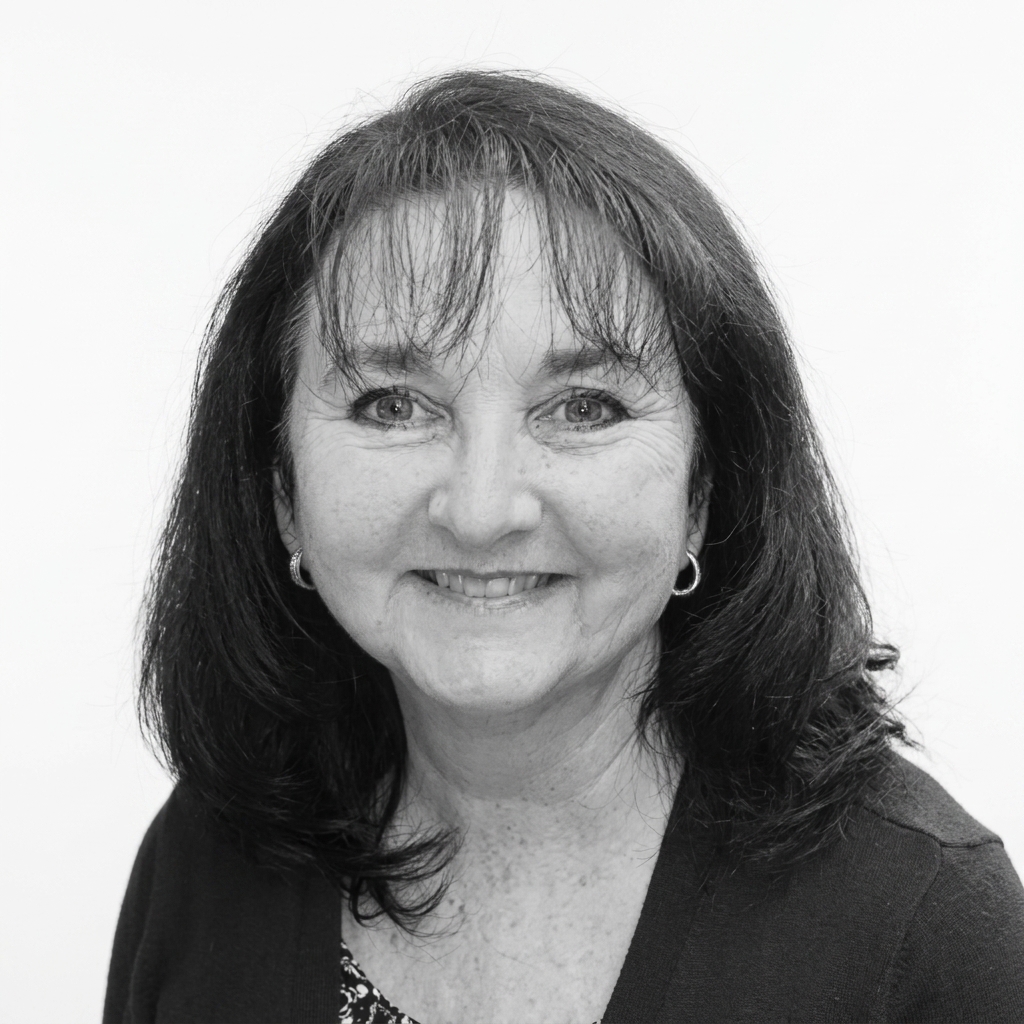
Every hormone plan at Vida is written and monitored by Patti, a family nurse practitioner with nearly three decades in nursing across women's and men's health, weight loss, and family practice. One provider reads your history, builds the plan, and stays with you through it and actually listens, not a box you check on a form at midnight.
That is the line between a clinic and a brush-off: someone is actually responsible for how you do.
Probably not. Perimenopause can start years before your periods stop, often in your 40s and sometimes in your late 30s. The hormonal swings of perimenopause cause symptoms too, so we treat in perimenopause, not just after menopause. If what you are feeling lines up, it is worth checking.
Here is the honest version. There is a real, modest breast-cancer consideration with some regimens, and the risk picture is more favorable when therapy starts before 60 or within about ten years of menopause. It is not zero and it is not the scare it was once made out to be. We review your personal history and your actual numbers before recommending anything, and some women should not take hormones at all.
The 2002 Women's Health Initiative used older oral hormones in women who were on average 63 and many years past menopause. That set off the "HRT is dangerous" headlines. Twenty years of re-analysis since then shows the risk and benefit picture is meaningfully more favorable for women who start therapy earlier, closer to menopause. It does not mean hormones are right for everyone, but the blanket fear was overstated.
Body-identical estradiol and micronized progesterone match the hormones your body makes, and they are well studied. We prefer those. We avoid unregulated pellet megadoses, which deliver hormone levels that are hard to control and walk back. "Bioidentical" is a marketing word in some clinics, so what matters is the specific hormone, the dose, and the route, which we go over with you.
Patti goes over the exact cost with you at the consult, clearly and up front. No surprise bills. The plan and the price depend on what fits you and your labs, so we walk through it before you commit to anything.
Take the 60-second symptom check. If it could be hormonal, we will set up your consultation and labs with Patti. If your history needs a closer look first, we will tell you.
$79 consultation, credited toward your treatment.
Important. This page is educational and is not medical advice, a diagnosis, or a prescription. Hormone therapy is available by prescription only, after a consultation and laboratory testing with a licensed clinician who decides whether it is appropriate. It is not right for everyone, including people with a history of breast cancer, blood clots, or unexplained vaginal bleeding. Testosterone use in women is off-label. The benefits and risks, including breast-cancer and clot risk, depend on your personal history, age, the regimen, and the route, and should be discussed with your clinician. Individual results vary. Compounded nano-emulsion formulations contain benzyl alcohol, ethanol, glycerin, and sunflower seed lecithin; tell your provider about any seed allergy or sensitivity before starting. Always talk with a licensed clinician about benefits, risks, and monitoring.